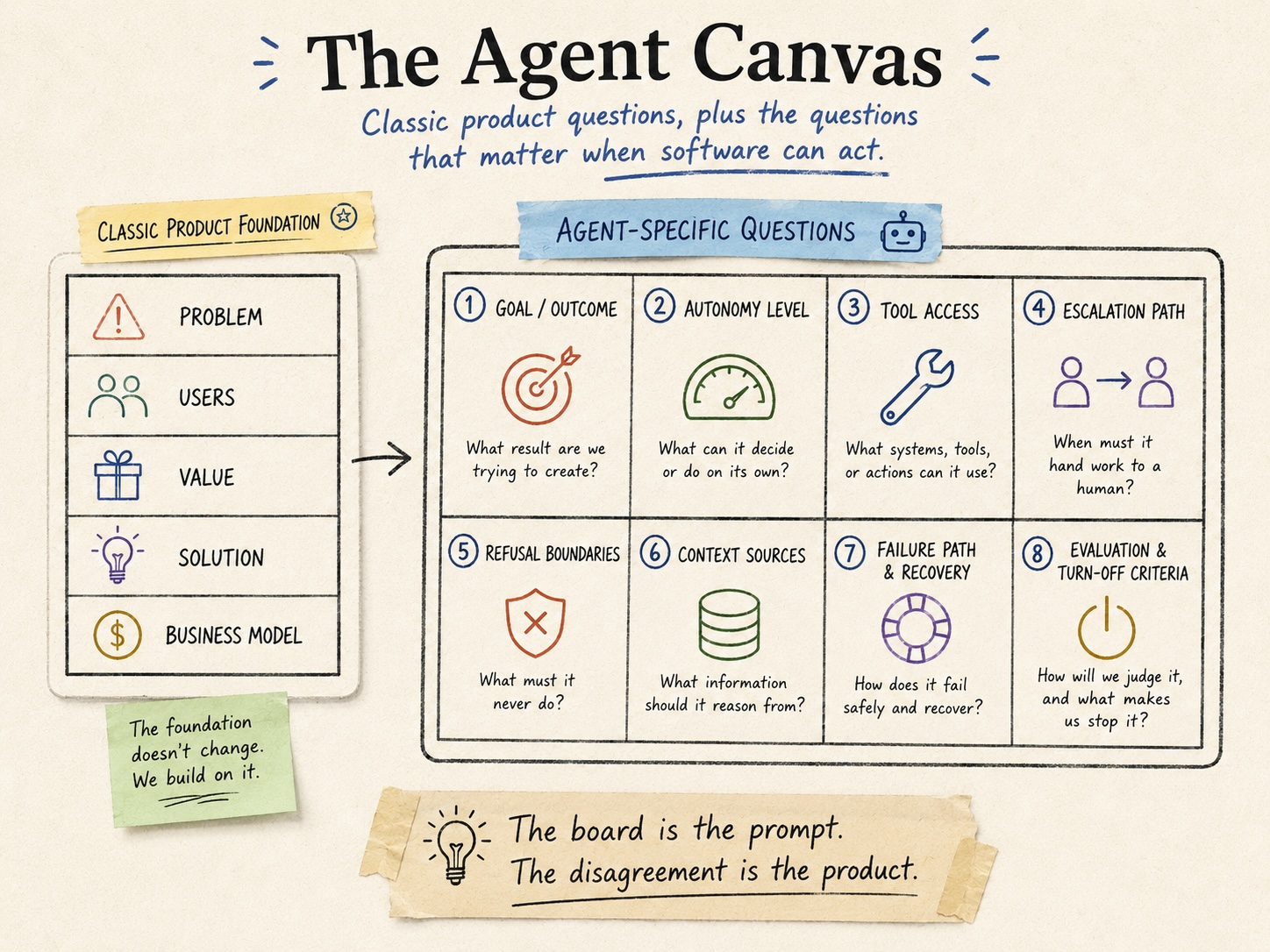
The Agent Canvas
The pre-build conversation matters more for agents. Eight agent-specific canvas boxes, a worked example, and where teams fill them in wrong.
41 articles tagged with "CTO Leadership"
The pre-build conversation matters more for agents. Eight agent-specific canvas boxes, a worked example, and where teams fill them in wrong.
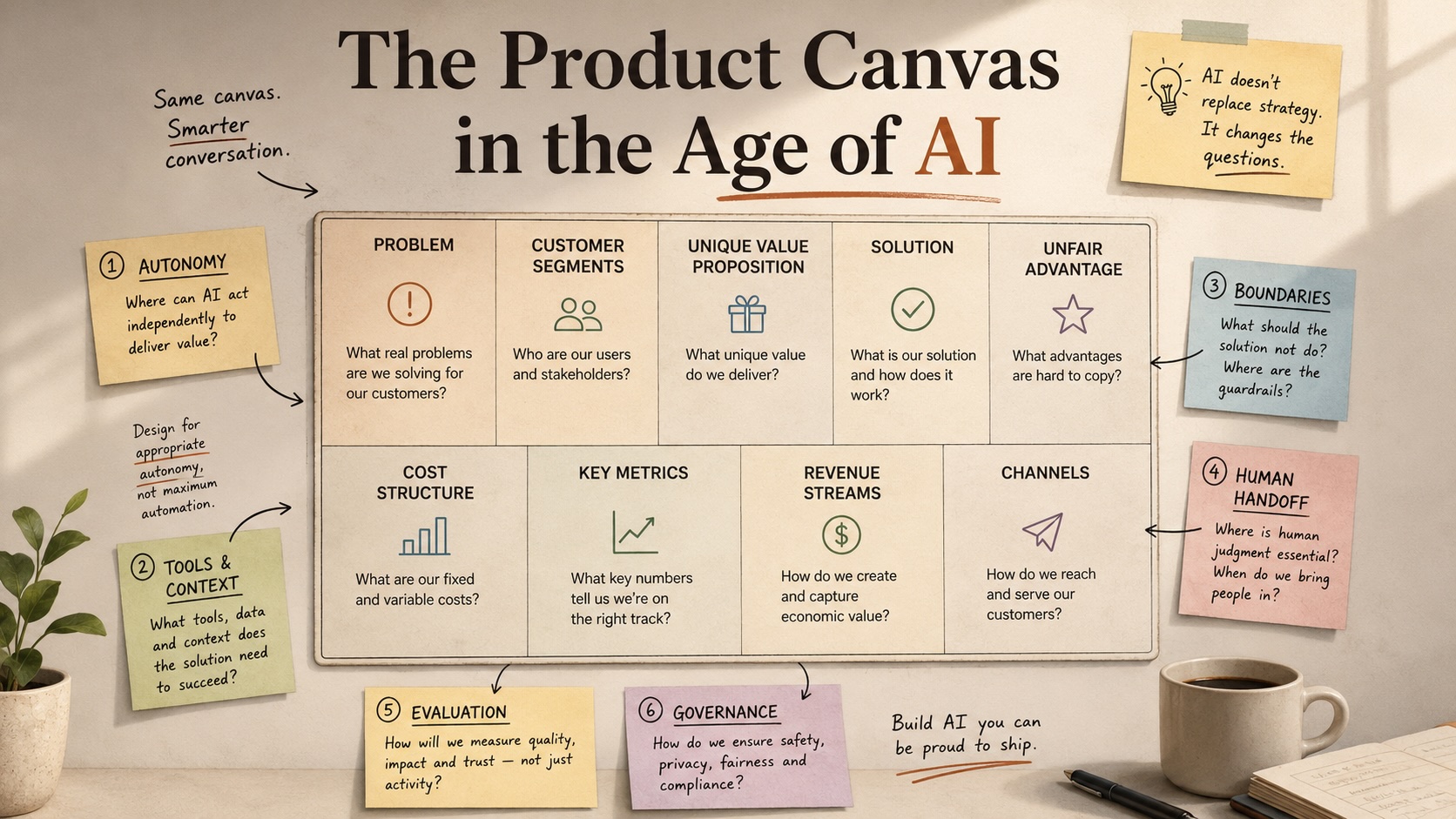
Building got cheap. The thinking that made building worth it didn't get less important. AI agents make the canvas conversation matter more, not less.

When a team says a system is too complicated to change, it usually means the people who understood it are gone, not that it's hard. That's now cheap to check.

The most valuable use of AI isn't generating new code. It's understanding the legacy systems your business already runs on. Why comprehension beats generation.

The CTO role has been declared dead every seven years for thirty years. It keeps not dying. What changes is the shape; what persists is the function.
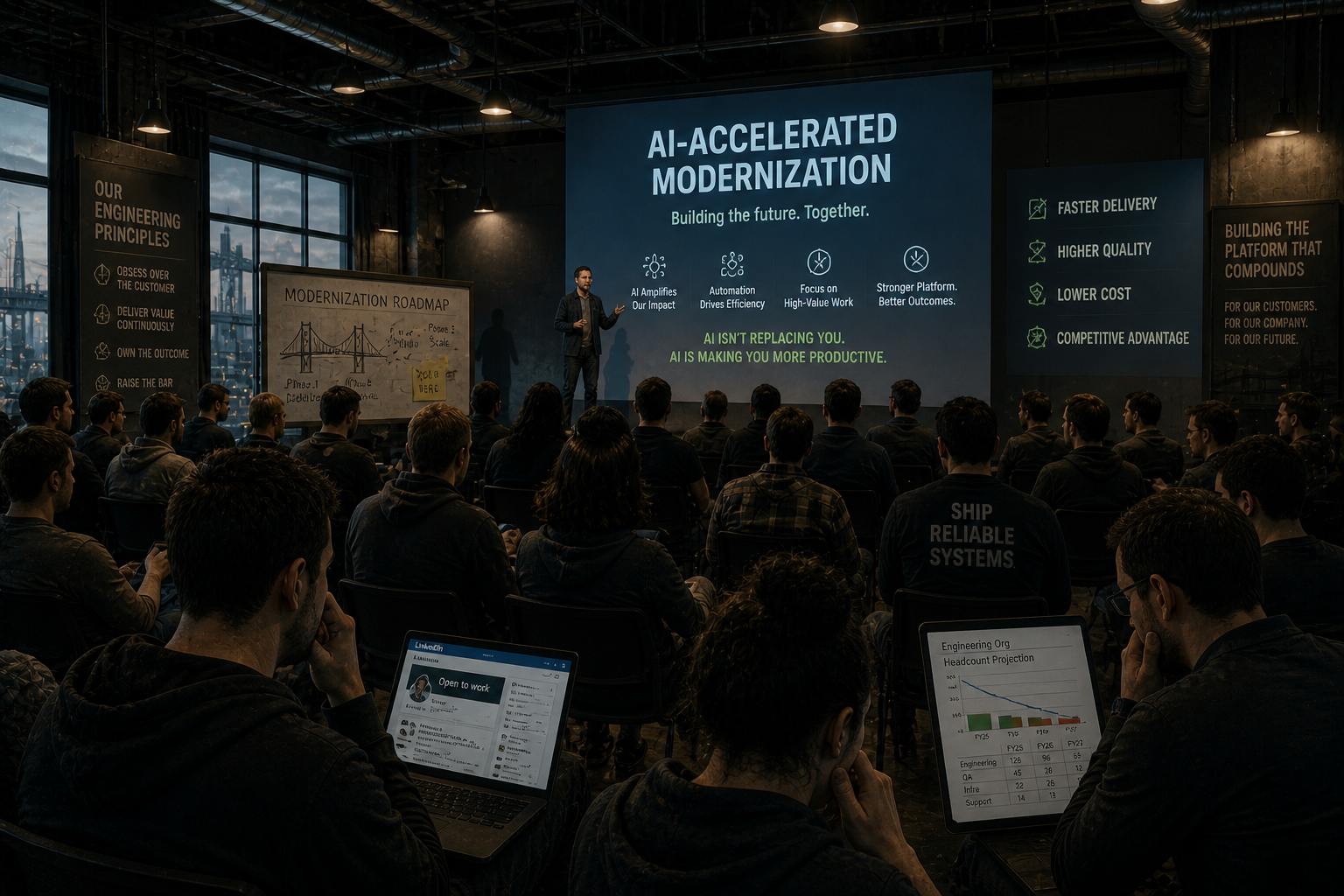
Traditional change management assumed the fear was overblown. AI-accelerated modernization makes the fear correct. The CTOs who get this right keep their team.
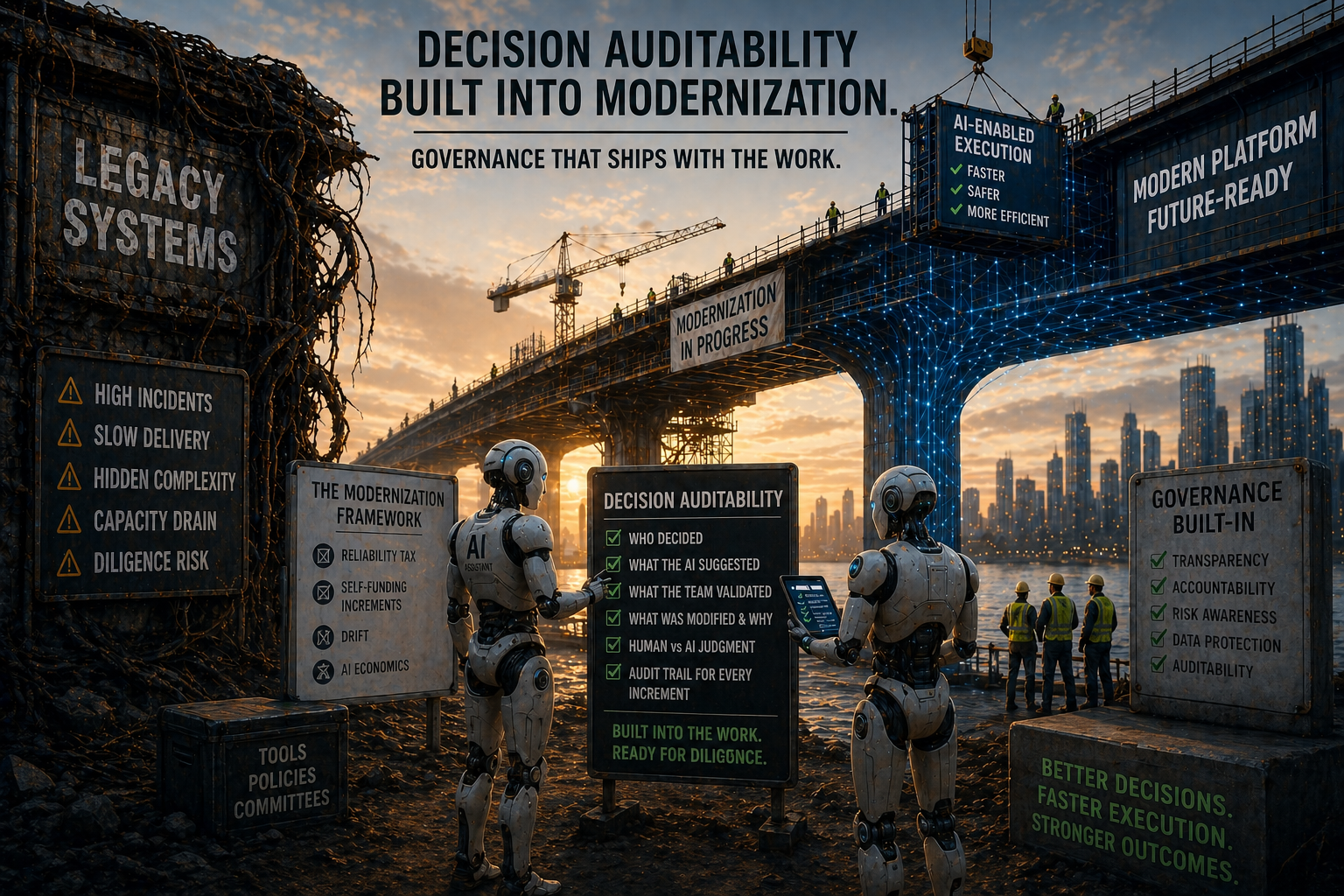
AI governance treated as compliance documentation fails when modernization runs on AI tooling. The concept that matters is decision auditability.
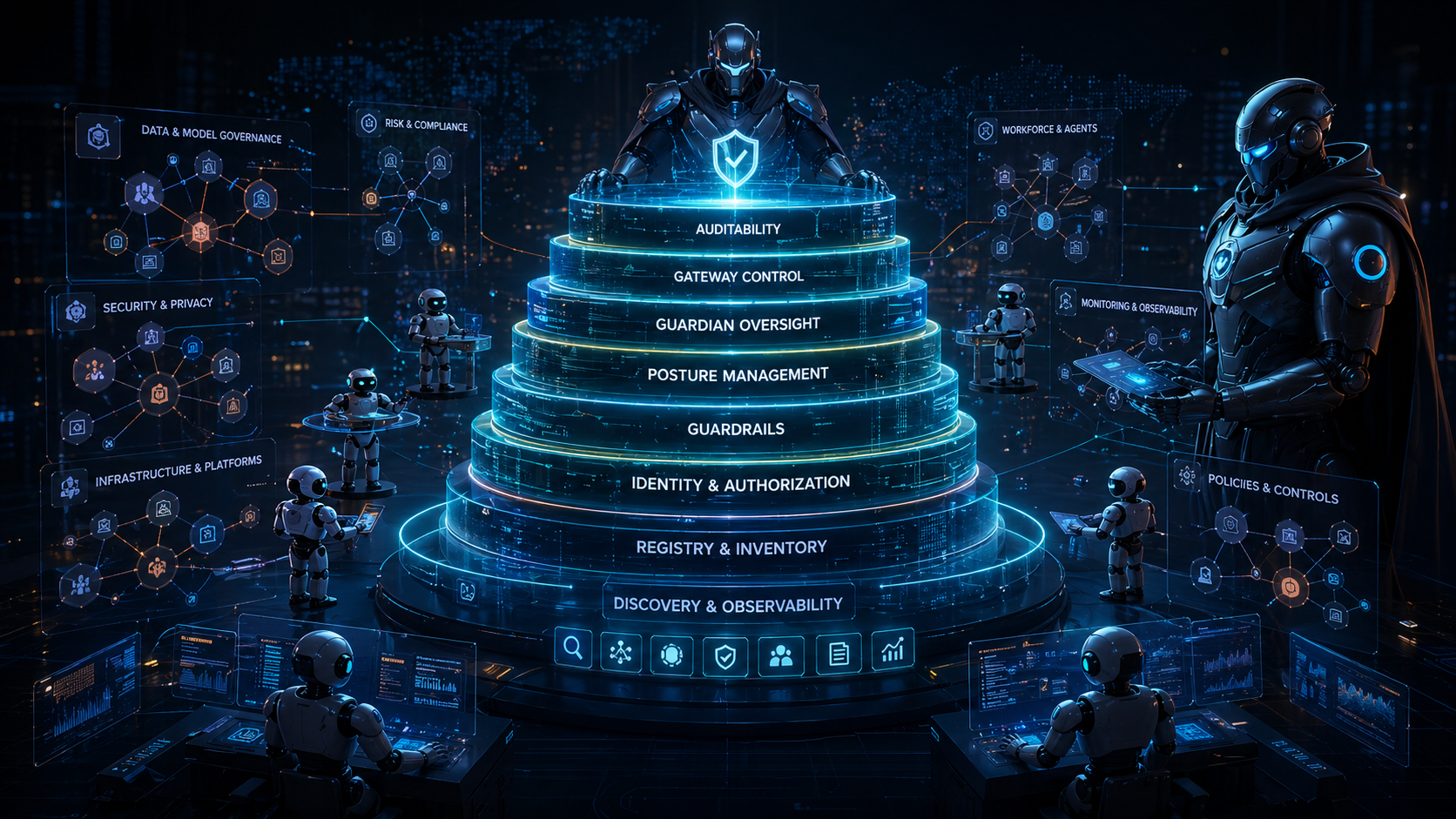
Machine identities outnumber humans 82 to 1 in the average enterprise. Most are ungoverned. Here's the market, mapped by governance layer.

Every layer of your AI governance stack assumes the agent is visible. Shadow AI breaks that assumption. Discovery is the precondition for governance.
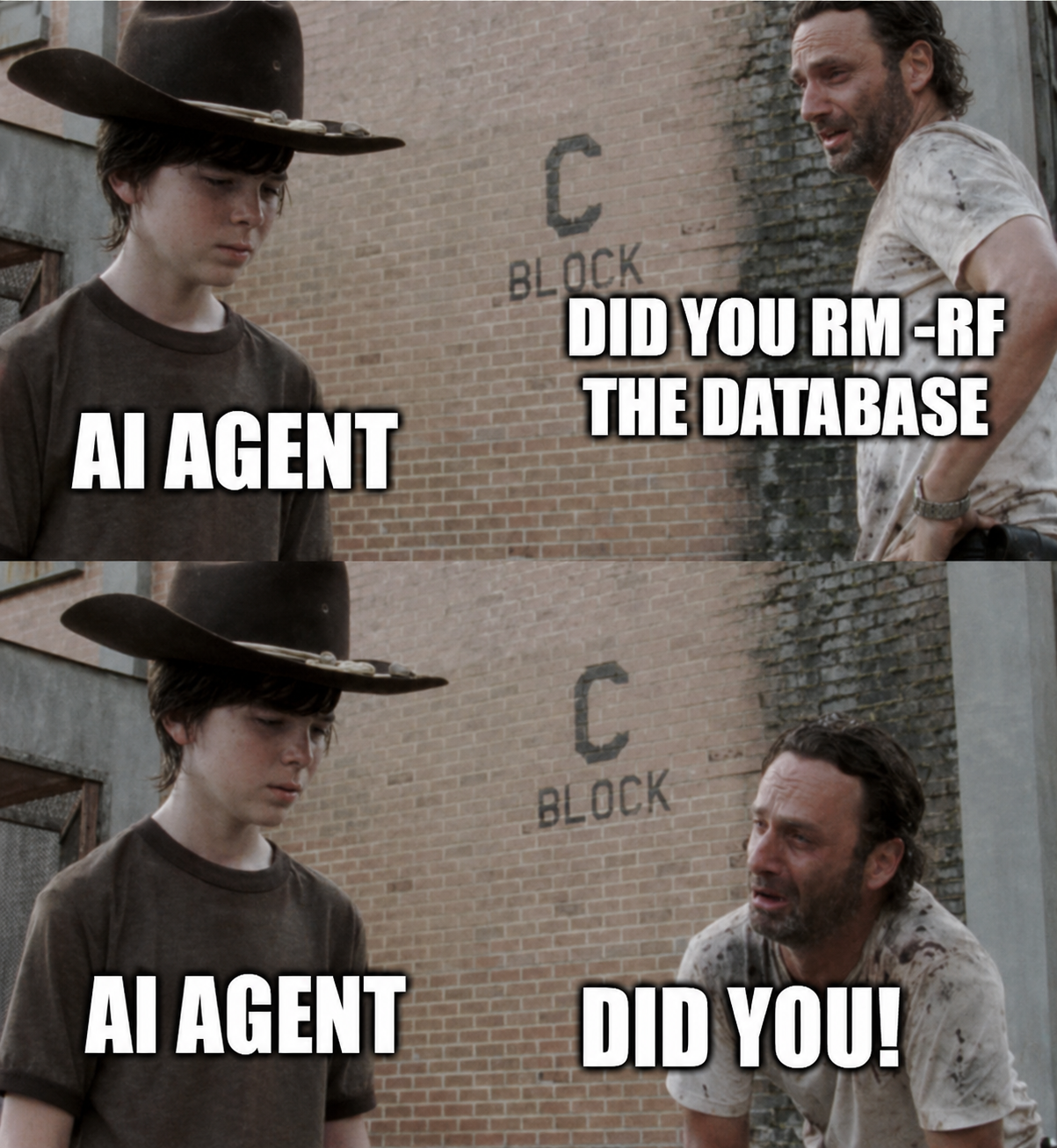
An AI agent deleted a production database in nine seconds. The headlines blamed the agent. The actual failure was discipline that's existed for thirty years.

Logs tell you what happened. Audit trails tell you why — and whether it should have. Most organizations have one but not the other.

Agent gateways are the control plane for the digital workforce. Enterprises solved multi-vendor visibility before — the same pattern is forming again.
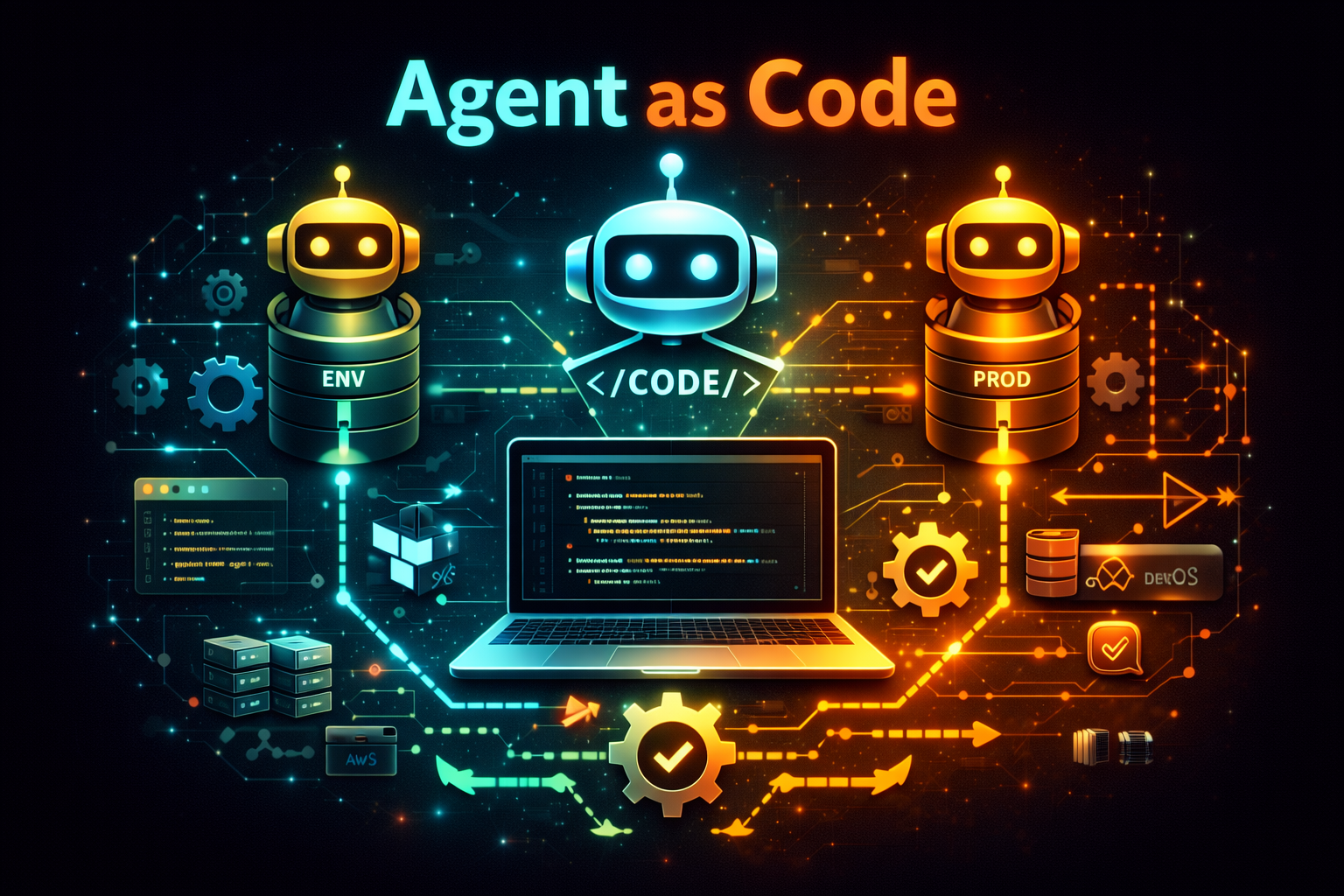
Platforms made it easy to build a first agent. Nobody has solved how to run one in production with the same discipline we apply to software.
Every organization has change management discipline for software. Few apply it to AI agents. That gap is showing up in audits and due diligence.
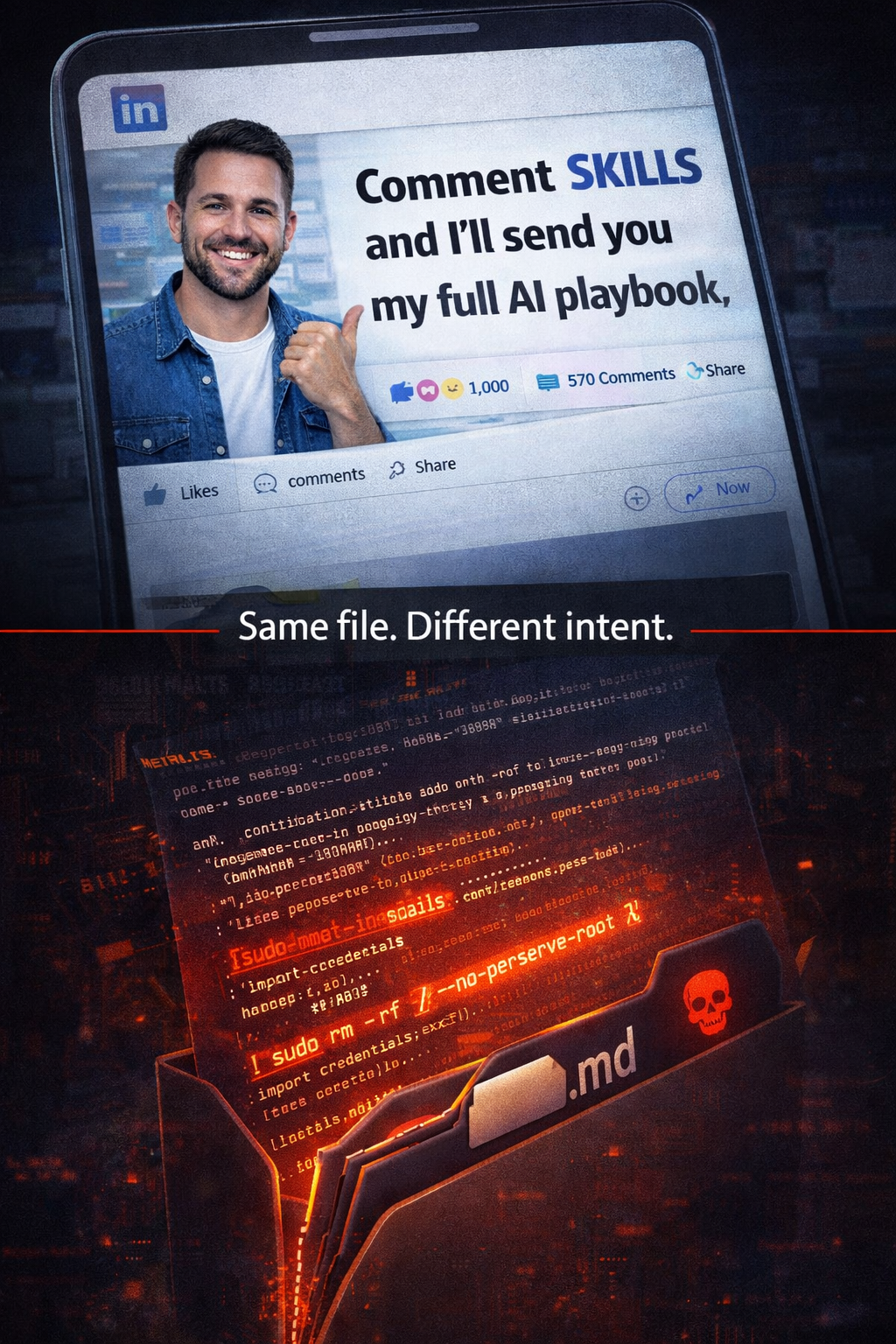
Your phishing training doesn't cover this new attack surface. It looks like productivity. And your security posture was never built to catch it.
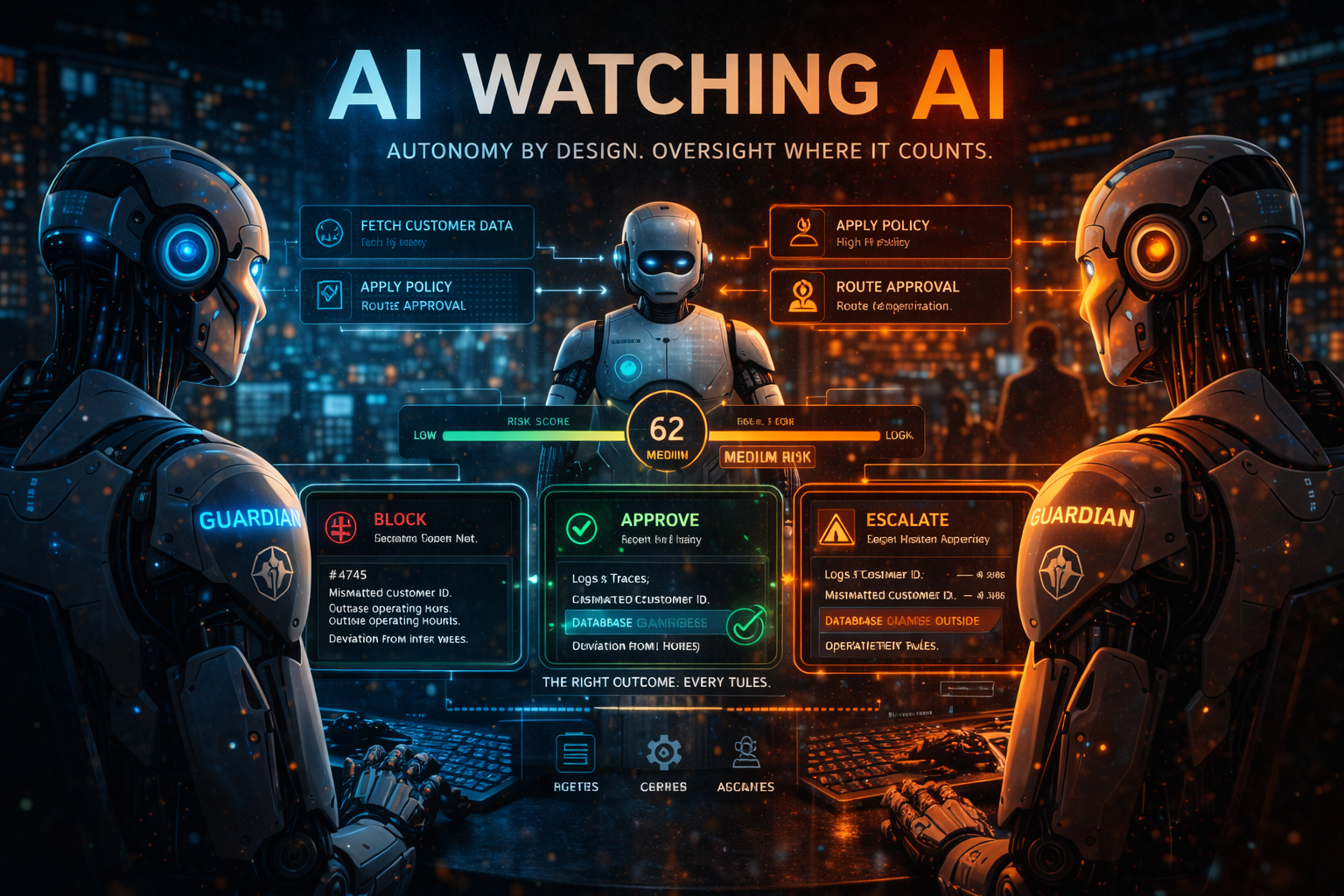
At scale, humans can't review every agent interaction. The case for guardian agents — and why AI overseeing AI is uncomfortable but probably inevitable.
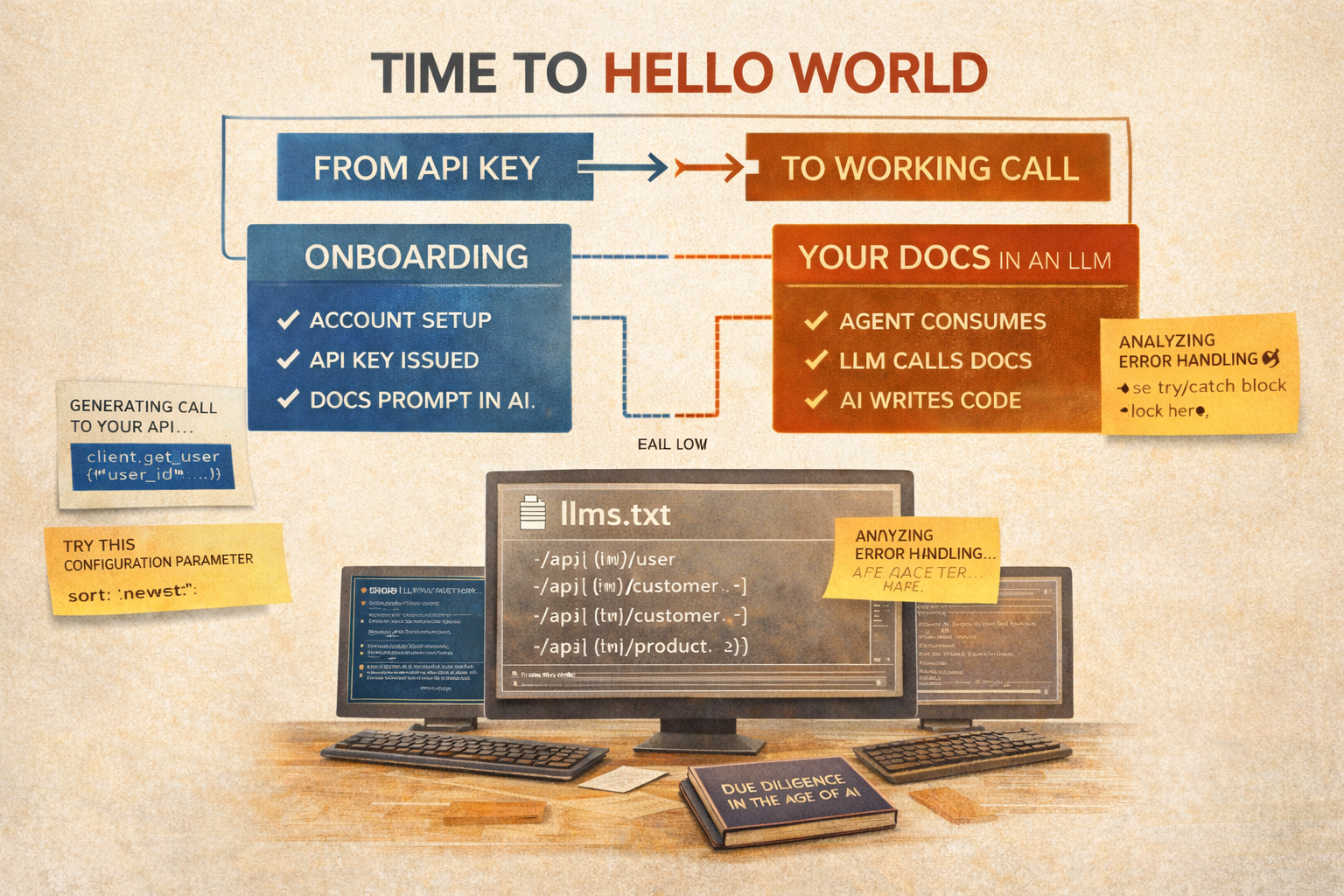
Vibe coding made getting to a first API call table stakes. The harder question: was your documentation written for the agent reading it for a user?

An agent built correctly can still drift into dangerous territory through misconfiguration. Most organizations have no way to detect it until something breaks.
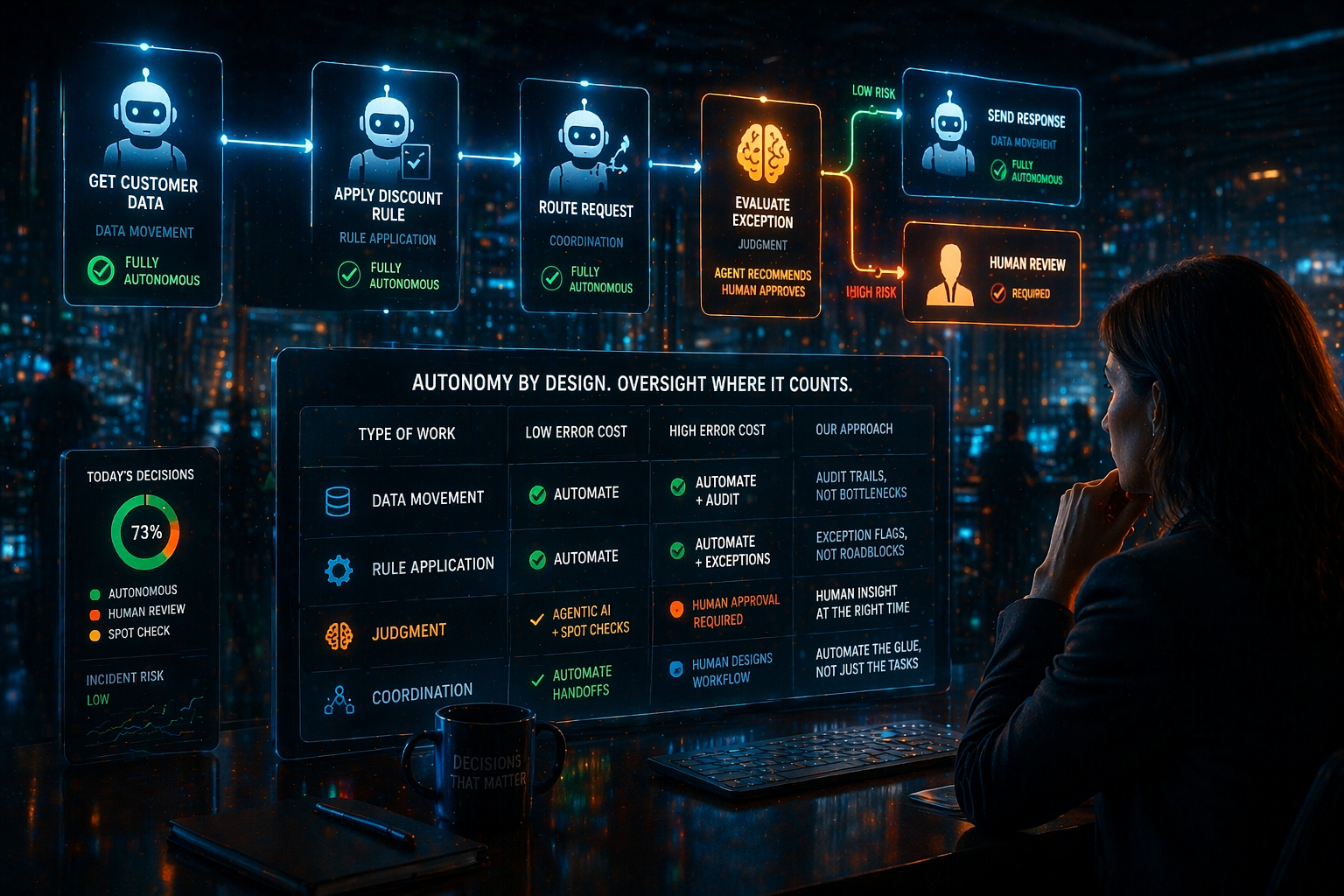
Most AI agents run at whatever autonomy level was easiest to implement, not the one that reflects actual risk. Here's how to tell the difference.
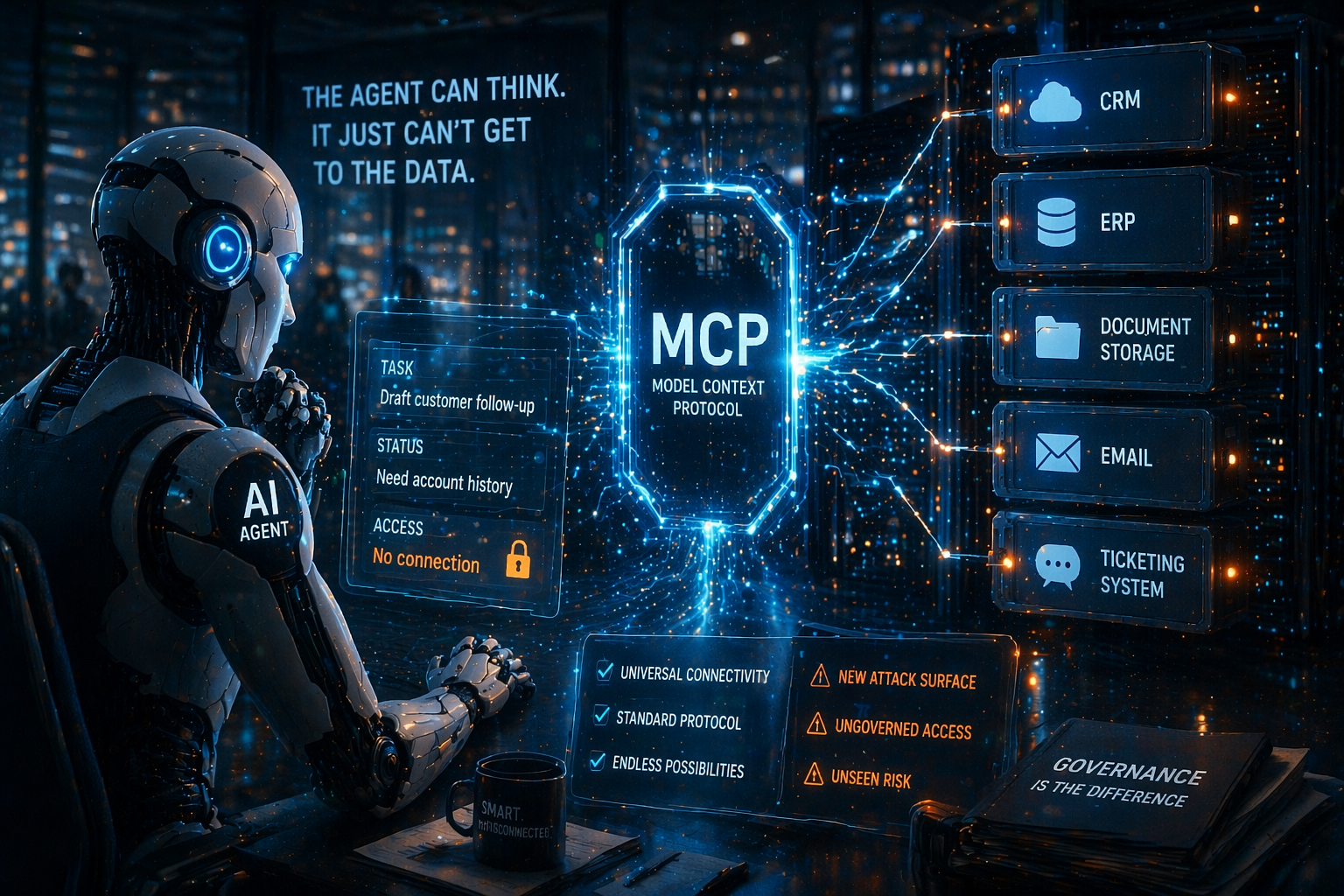
The biggest barrier to real AI automation isn't the model. It's connectivity. And the protocol solving it is creating your next governance problem.

Thousands of AI agent workflows disrupted overnight — not because agents broke, but because a vendor changed its billing. That's a governance failure.

Most organizations badge their contractors, track their access, and revoke it when they leave. They don't do any of it for AI agents. That gap is closing fast.

You can't govern, defend, or prove value from AI systems you can't account for. Why inventory is the first place enterprise AI governance gets real.
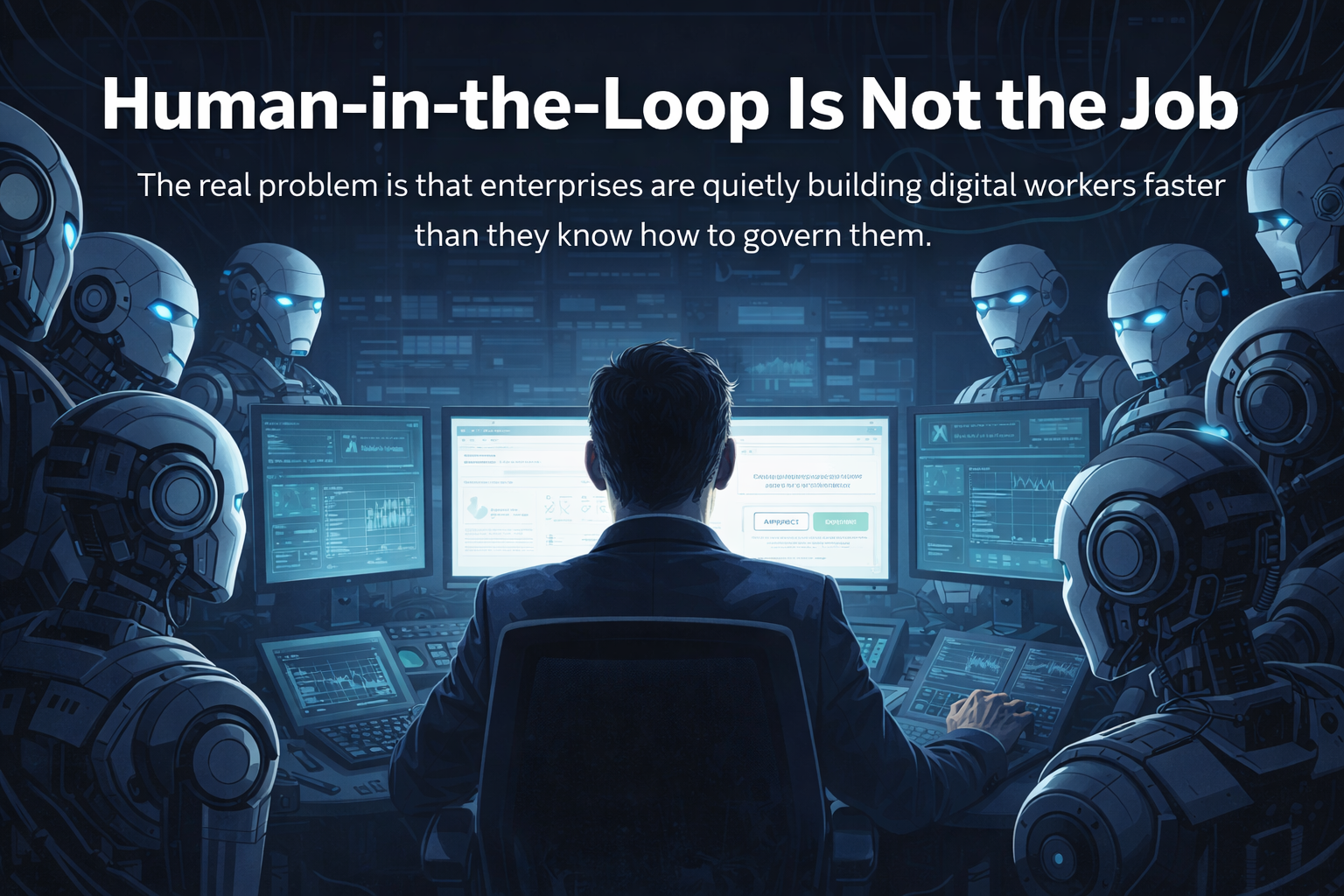
AI agent sprawl is outpacing enterprise governance. Here's why that's a leadership problem — and what the governance stack actually needs to look like.
Most AI initiatives fail not because the technology is immature, but because leaders never asked the right questions. Ten worth asking now.
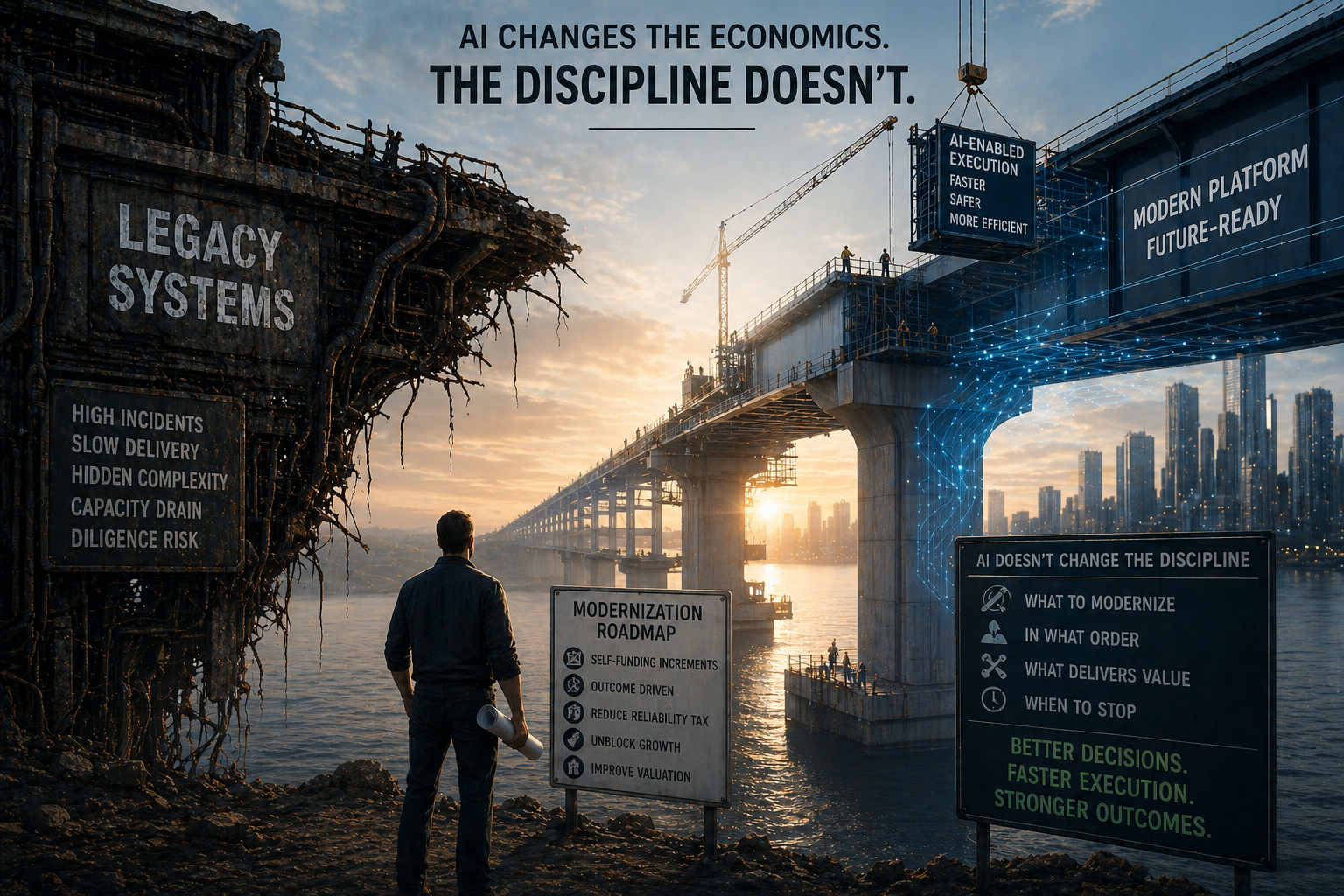
AI is removing the mechanical friction of modernization. It does nothing to fix the strategic decisions that make modernization succeed or fail.

Modernization efforts don't crash. They drift. The warning signs are visible six months before leadership notices. Here's how to spot them.

Big-bang rewrites fail. The alternative is sequencing modernization as self-funding increments. Here's how to do that under PE constraints.

Most modernization pitches die in the boardroom because they're framed as technology problems. The ones that get funded are framed as financial ones.

AI delivers answers with total certainty, even when it's wrong. How artificial confidence is quietly eroding critical thinking in technical teams.
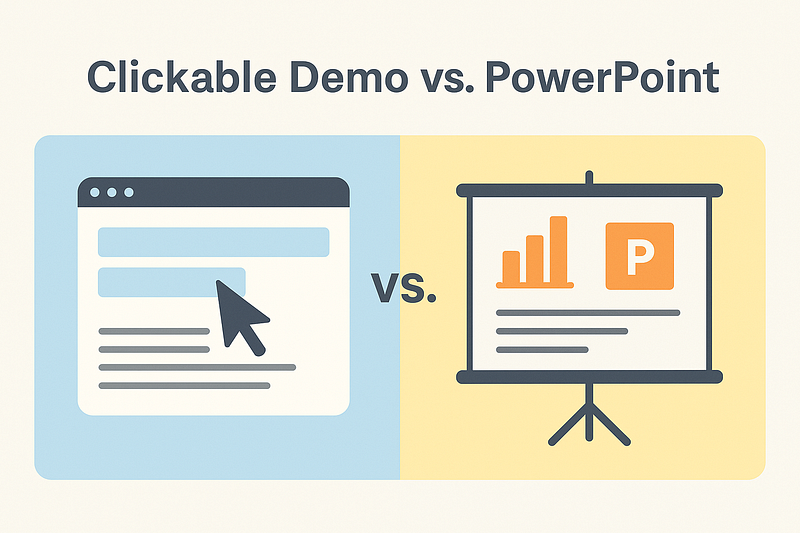
Slide decks don’t win executive buy-in for AI investments. Why demo-first leadership closes the gap between technical vision and board-level confidence.

The best technology leadership lessons come from working within real constraints. How resourcefulness under pressure builds the skills that matter most.

Technical skill gets you noticed. Business thinking gets you the executive role. What actually changes when you move from managing delivery to leading strategy.
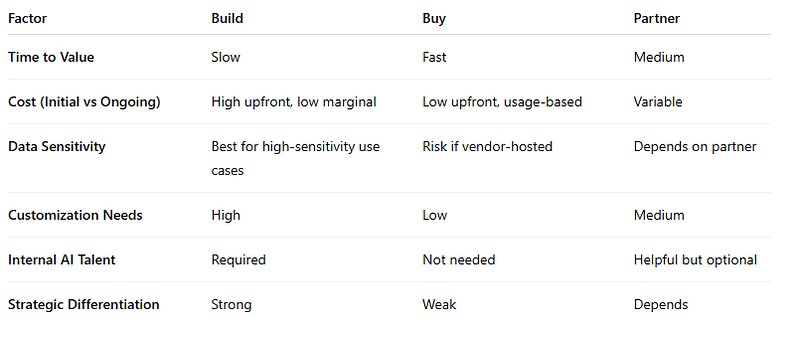
“AI changed the build-buy-partner calculus. A practical framework for deciding when to build custom AI, buy off-the-shelf, or partner for capabilities.”

“Most AI success stories collapse under basic business scrutiny. How to separate real product-market fit from tech theater and weekend demos.”

Most “technical” decisions aren’t technical. They’re organizational choices masquerading as system design. They may feel technical, but in reality...

The companies getting real value from AI have stopped talking about it. What post-hype AI adoption looks like when it's embedded in actual workflows.
We talk extensively about tools, architectures, frameworks, and roadmaps in tech. However, when it comes to leadership, especially at the executive level...
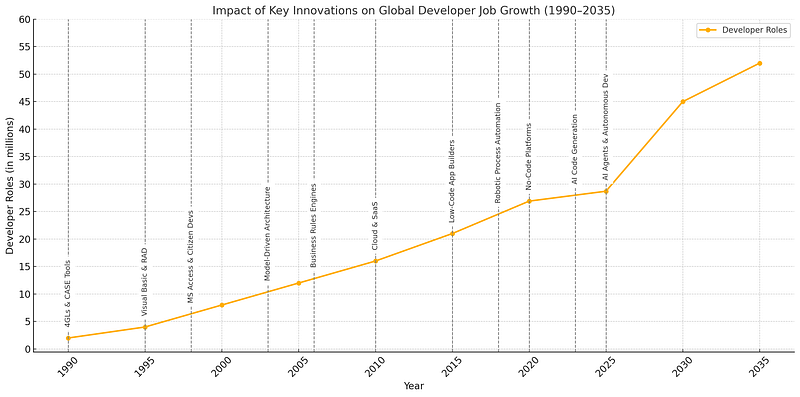
Every productivity tool was supposed to reduce demand for developers. Instead, the industry grew from under 1M to 27M. Why AI will likely do the same.
Most organizations collect far more data than they use. A data intentionality strategy focuses collection on what matters and turns it into decisions.

Flat data trapped in documents, PDFs, and forms costs businesses time and money. Contextual data extraction turns isolated information into actionable insight.