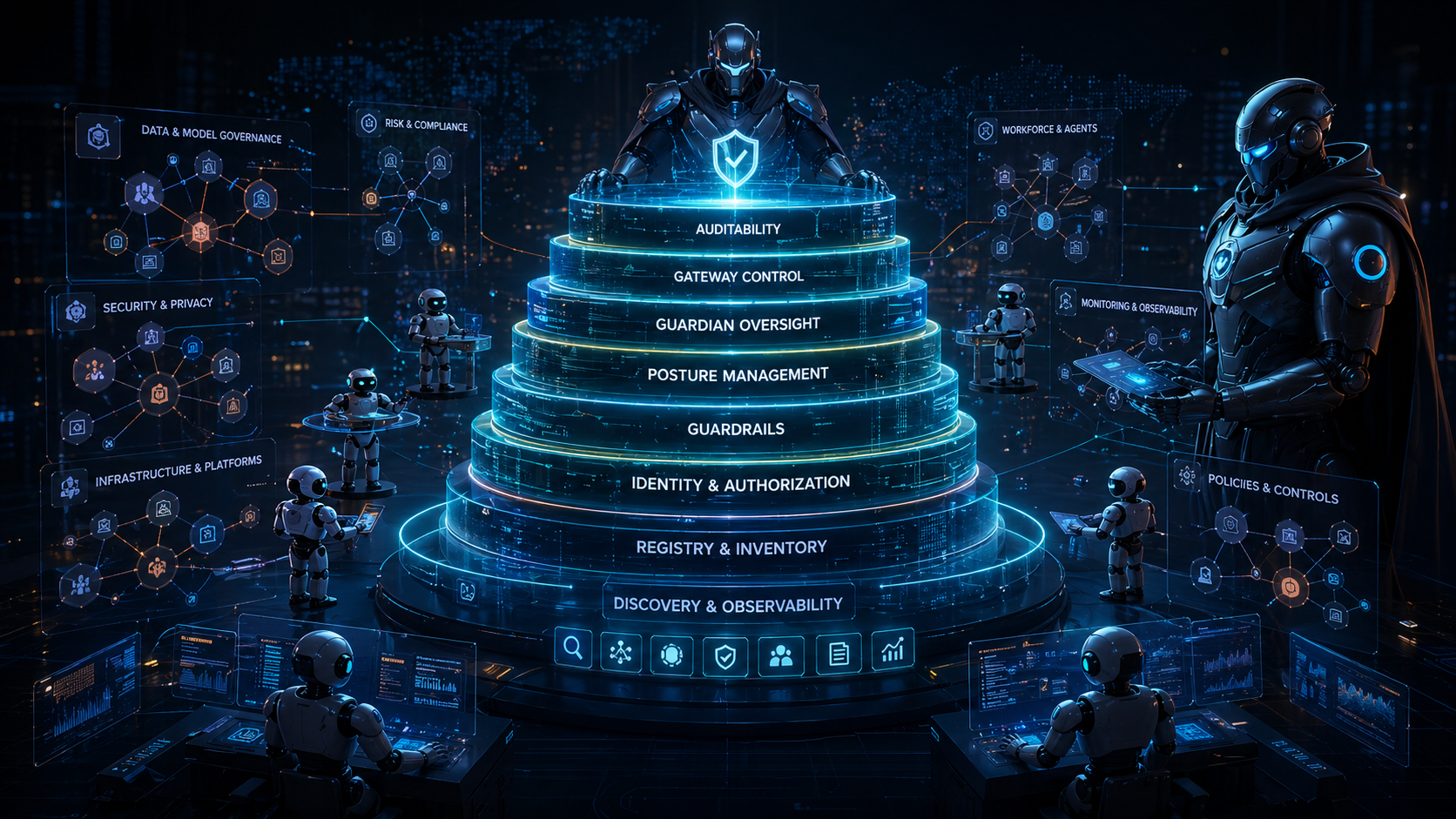
The AI Governance Market Landscape
Machine identities outnumber humans 82 to 1 in the average enterprise. Most are ungoverned. Here's the market, mapped by governance layer.
12 articles tagged with "CISO Strategy"
Machine identities outnumber humans 82 to 1 in the average enterprise. Most are ungoverned. Here's the market, mapped by governance layer.

Every layer of your AI governance stack assumes the agent is visible. Shadow AI breaks that assumption. Discovery is the precondition for governance.
An AI agent deleted a production database in nine seconds. The headlines blamed the agent. The actual failure was discipline that's existed for thirty years.

Logs tell you what happened. Audit trails tell you why — and whether it should have. Most organizations have one but not the other.

Agent gateways are the control plane for the digital workforce. Enterprises solved multi-vendor visibility before — the same pattern is forming again.

Your phishing training doesn't cover this new attack surface. It looks like productivity. And your security posture was never built to catch it.
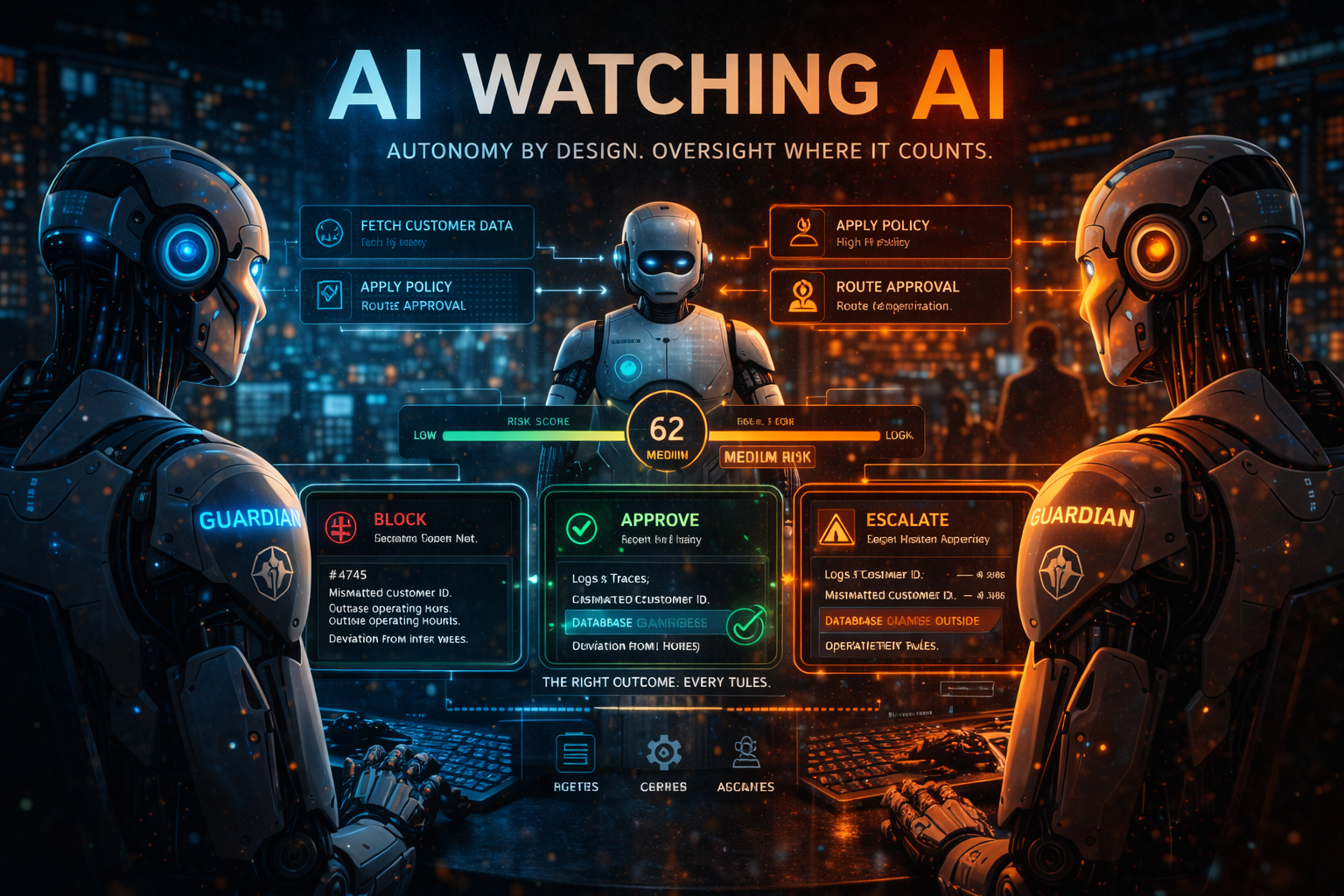
At scale, humans can't review every agent interaction. The case for guardian agents — and why AI overseeing AI is uncomfortable but probably inevitable.
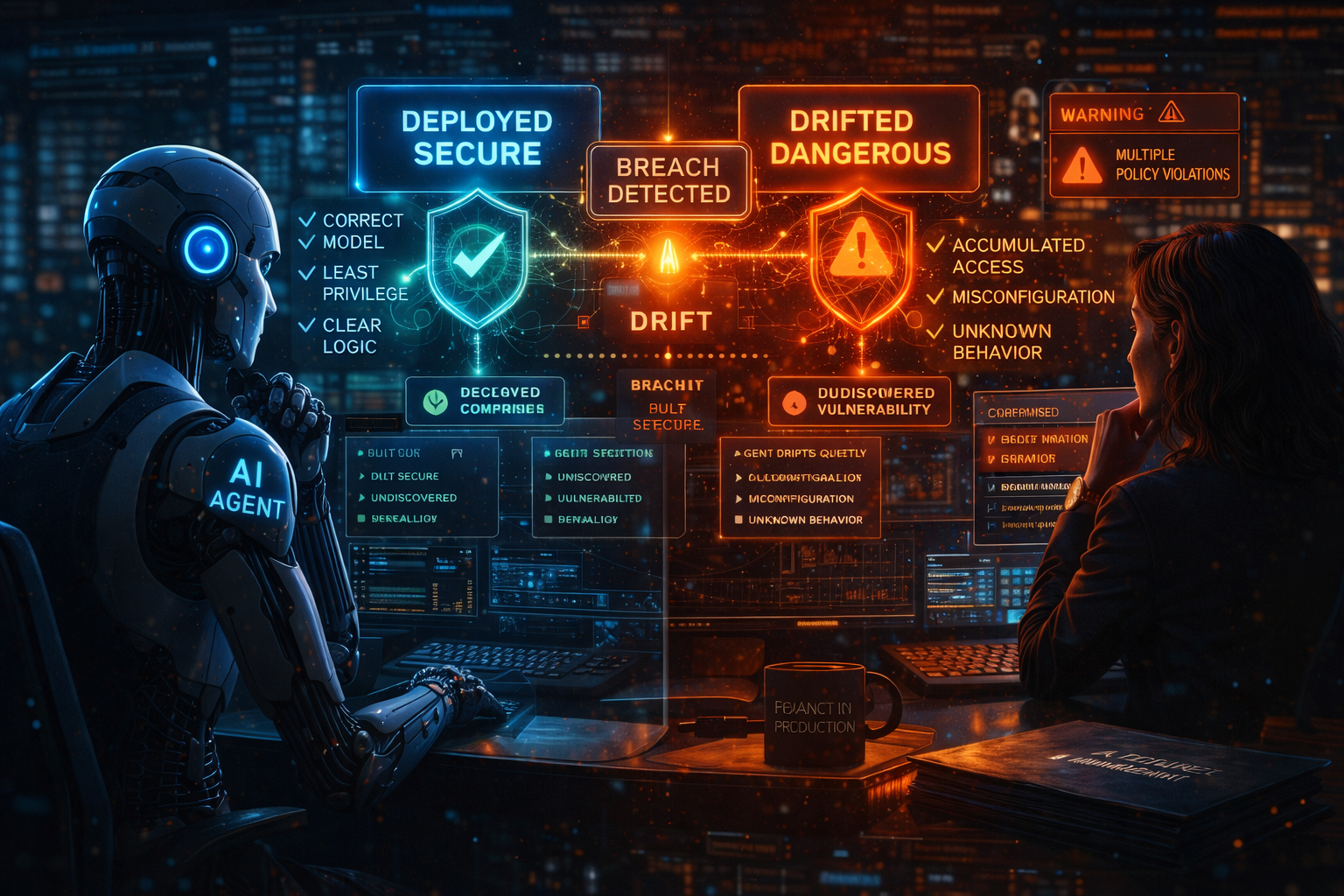
An agent built correctly can still drift into dangerous territory through misconfiguration. Most organizations have no way to detect it until something breaks.
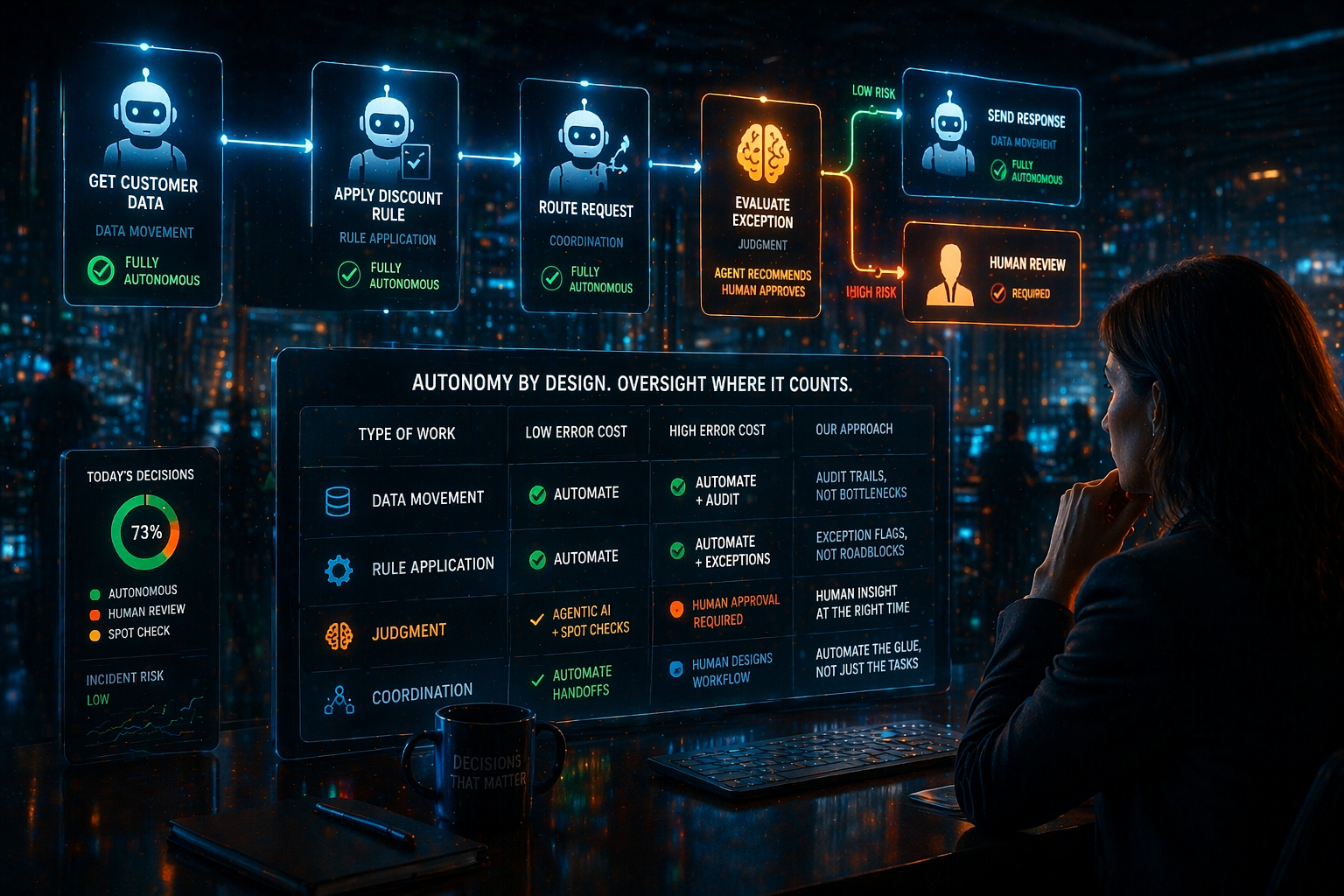
Most AI agents run at whatever autonomy level was easiest to implement, not the one that reflects actual risk. Here's how to tell the difference.
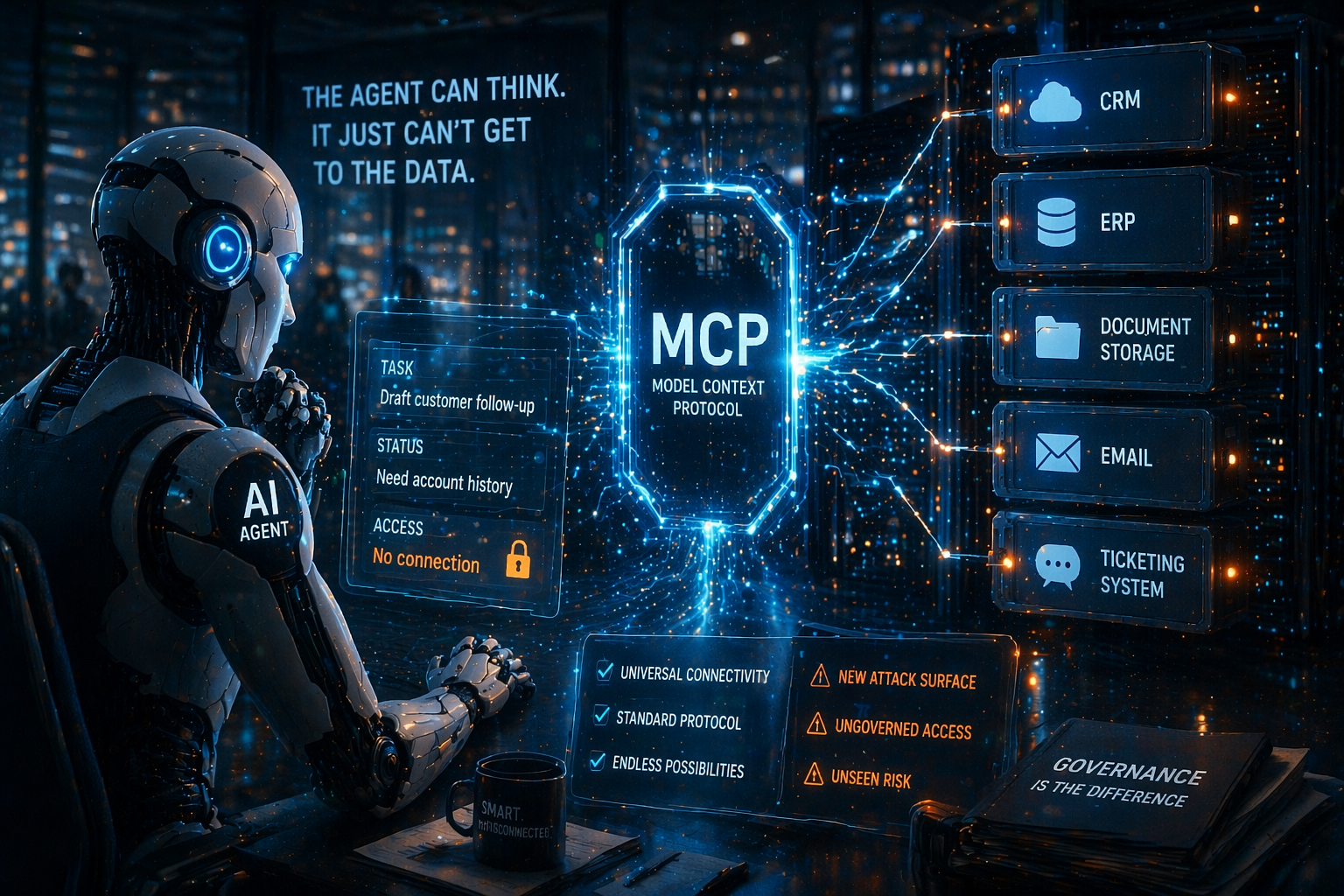
The biggest barrier to real AI automation isn't the model. It's connectivity. And the protocol solving it is creating your next governance problem.

Most organizations badge their contractors, track their access, and revoke it when they leave. They don't do any of it for AI agents. That gap is closing fast.
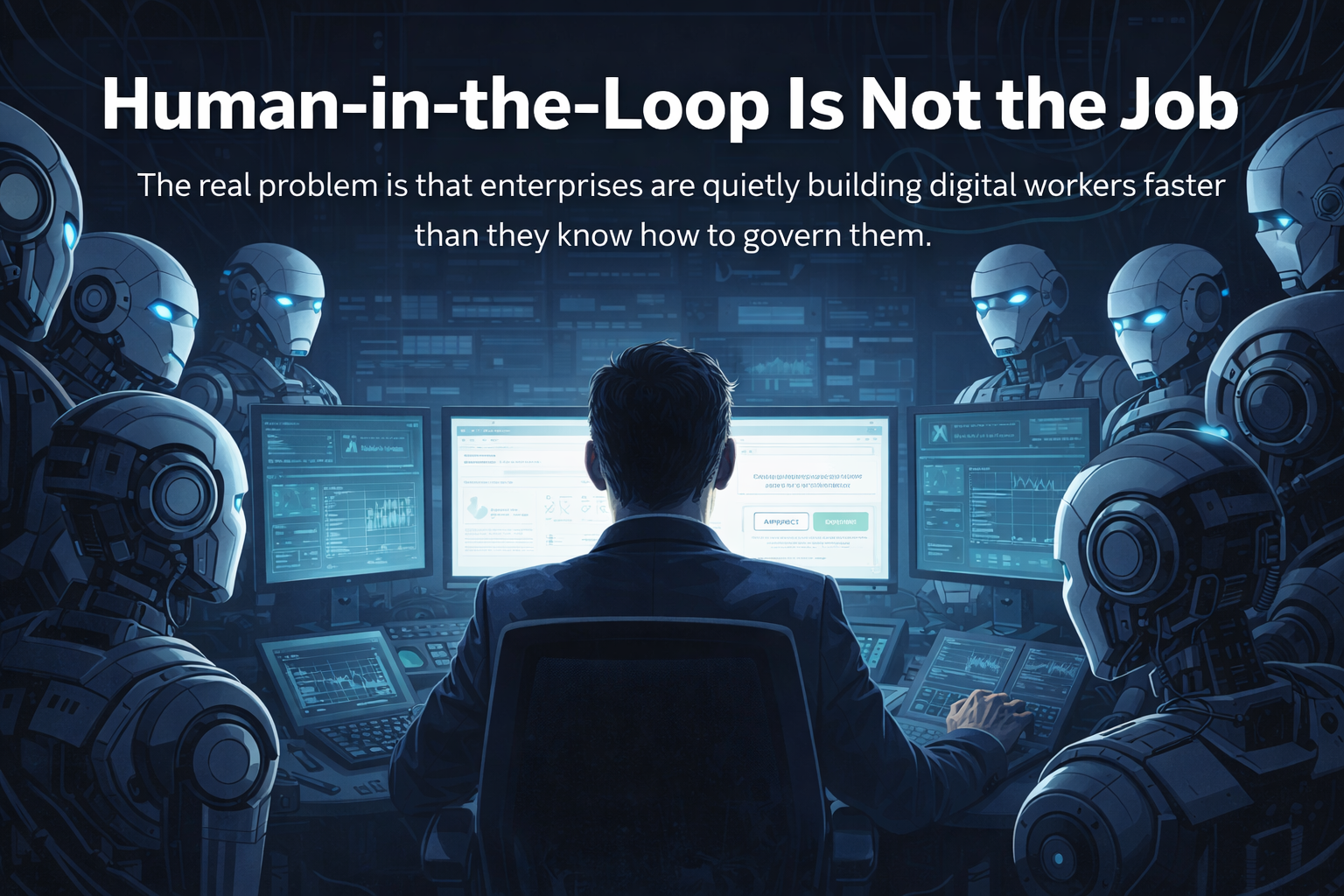
AI agent sprawl is outpacing enterprise governance. Here's why that's a leadership problem — and what the governance stack actually needs to look like.